How Reusable Operating Room Textiles Support Infection Prevention
Jan 20, 2026

Infection prevention is one of the most critical priorities in any surgical environment. Understanding how reusable operating room textiles support infection prevention helps healthcare facilities make informed decisions that protect patients, staff, and outcomes while also supporting long-term operational goals.
Operating rooms are highly controlled spaces, yet they remain vulnerable to contamination due to constant activity, multiple touchpoints, and exposure to bodily fluids. As hospitals and surgical centers look for smarter solutions, reusable operating room textiles are increasingly recognized for their role in enhancing infection control while meeting modern sustainability standards.
At OR Greens, we believe patient safety and environmental responsibility can and should work together. Join us as we walk you through all the key details that make this possible.
Infection Risks in the Operating Room
Despite strict protocols, infection risks in the operating room are always present. Preventing surgical site infections requires addressing multiple factors, from air quality and surface hygiene to materials used during procedures.
One of the common sources of OR contamination is textile-related. Gowns, drapes, and other fabrics come into direct contact with surgical sites, instruments, and staff. When these materials fail to provide consistent barrier protection, they can allow microorganisms to transfer, increasing the risk of infection.
Disposable products are often assumed to be safer, but inconsistent manufacturing quality, variable barrier performance, and improper handling can compromise their effectiveness. Infection prevention requires reliable, tested materials that perform consistently under real surgical conditions.
Role of Reusable Textiles in Infection Control
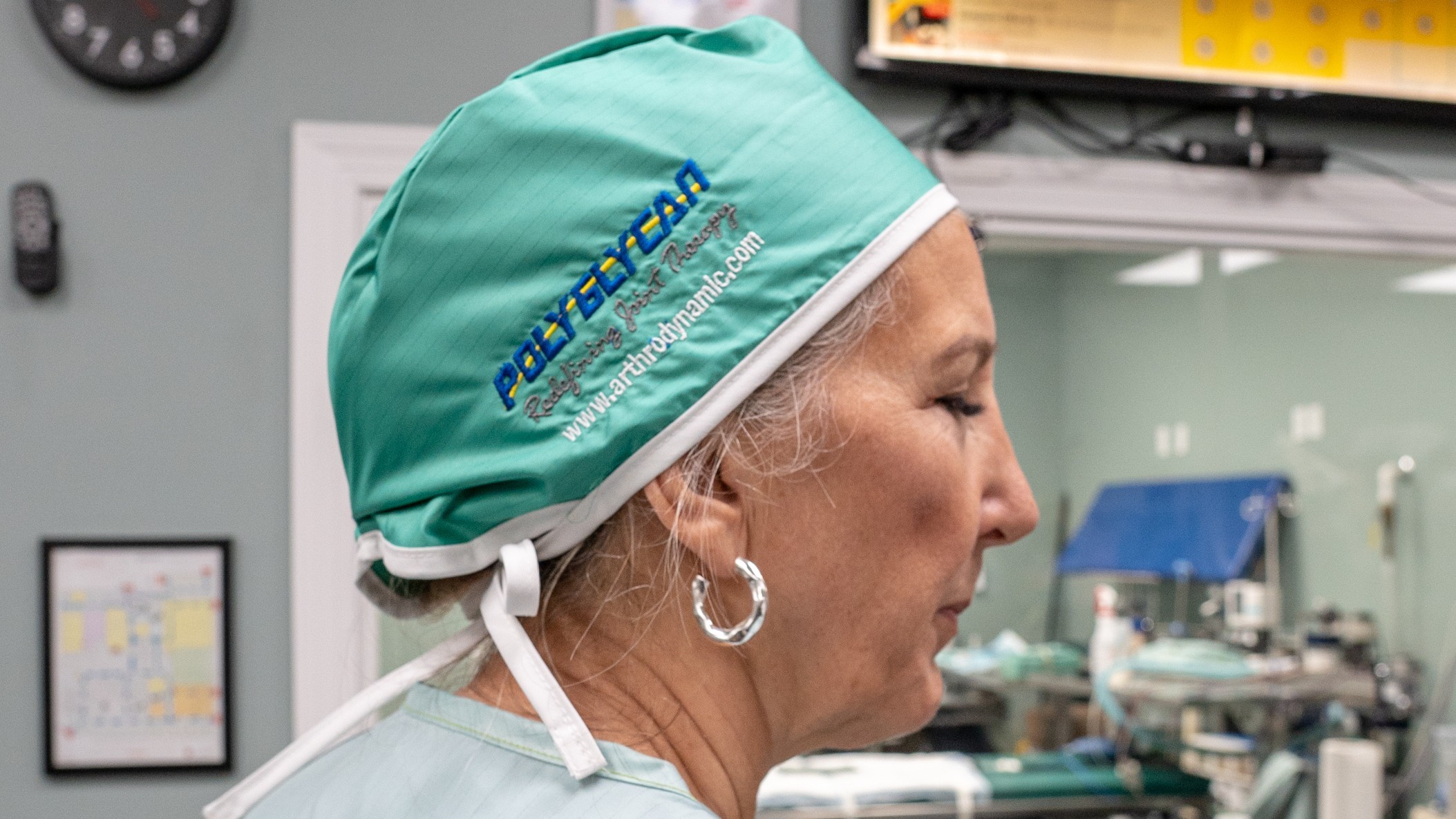
The role of reusable textiles in infection control is rooted in performance, predictability, and compliance. High-quality reusable surgical textiles are designed to maintain strong barrier properties throughout repeated use cycles.
Barrier performance in surgical textiles is a key factor in reducing pathogen exposure. Reusable gowns and drapes engineered for the operating room are tested to meet strict standards for fluid resistance and microbial penetration. This performance does not degrade unpredictably, because each product undergoes controlled laundering, inspection, and quality assurance processes.
By reducing pathogen transfer in the OR, reusable textiles help create a safer surgical environment. Consistency matters in infection control, and reusable systems provide predictable protection procedure after procedure.
At OR Greens, reusable products are selected and managed with patient safety in mind, ensuring textiles perform exactly as intended when it matters most.
Combining Sustainability and Patient Safety
Effective infection prevention depends on adherence to recognized standards. AAMI-compliant reusable solutions are designed to meet Association for the Advancement of Medical Instrumentation (AAMI) guidelines for barrier protection in surgical settings.
Compliance ensures that reusable operating room materials deliver reliable performance across fluid exposure levels and procedure types. Unlike some disposable alternatives, compliant reusable textiles offer transparency in testing, classification, and ongoing performance monitoring.
This level of oversight provides healthcare teams with confidence. When materials meet defined safety standards, surgical staff can focus on patient care rather than worrying about product reliability.
Aligning Eco-Friendly Practices With Clinical Safety
Infection prevention and sustainability are often viewed as competing priorities, but modern healthcare proves they can align. Combining sustainability and patient safety is one of the strongest advantages of reusable operating room textiles.
Reusable systems significantly reduce waste while delivering durable, high-performing protection. By choosing safer and more reliable operating room materials, facilities reduce environmental impact without compromising clinical outcomes.
Sustainable procurement also supports long-term operational efficiency. Reusable textiles lower waste management costs, reduce supply chain volatility, and support predictable inventory planning. These benefits strengthen hospital operations while maintaining high infection control standards.
OR Greens specializes in solutions that balance environmental responsibility with clinical excellence, helping facilities achieve both goals simultaneously.
Why Reusable Textiles Are a Smarter Long-Term Choice
Understanding how reusable operating room textiles support infection prevention allows healthcare leaders to make data-driven decisions that benefit patients and facilities alike.
Reusable textiles offer consistent barrier performance, regulatory compliance, and reduced risk of contamination when properly managed. They also align with broader sustainability initiatives that healthcare systems increasingly prioritize.
At OR Greens, we support healthcare organizations with reusable operating room solutions designed for safety, reliability, and long-term value. By investing in proven materials and smarter procurement strategies, facilities can strengthen infection prevention efforts while building a more sustainable future for surgical care.
